
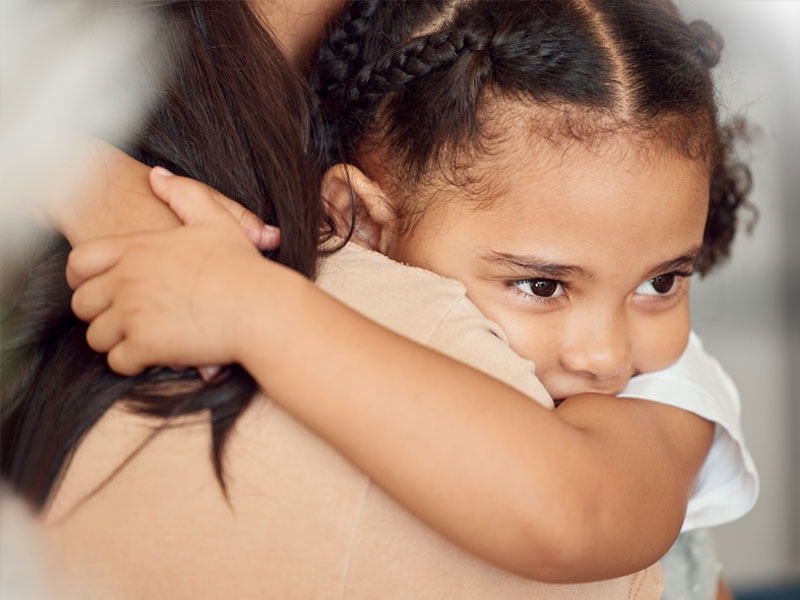
A child’s earliest relationships lay the foundation for their emotional and social development. When children feel secure, understood, and cared for, they’re more likely to grow into confident, emotionally resilient adults. Conversely, inconsistent or unpredictable early experiences can lead children to adapt in ways that may look like clinginess, withdrawal, or challenging behaviour—behaviours that are really their way of seeking safety and connection.
From the moment a baby is born, the bonds they form with caregivers shape how they see themselves and others. Everyday moments like bedtime stories, cuddles after a tough day, or soothing them when they cry send powerful messages:
Psychologists call these patterns attachment styles. Understanding attachment styles provides parents and caregivers valuable insight into how children build trust, manage emotions, and form healthy relationships. With this knowledge, you can strengthen your connection with your child and nurture lifelong emotional health.
Every child experiences relationships uniquely, but psychologists commonly identify four main attachment styles in children, each reflecting how a child has learned to rely on caregivers. Recognising these styles can help parents support emotional development and strong, trusting relationships.
Children with secure attachment feel safe exploring the world because they trust their caregiver will be there when needed. This develops when caregivers consistently respond with warmth, reassurance, and support.
Key signs of secure attachment:
Children with secure attachment are more likely to develop strong friendships, succeed academically, and navigate challenges with confidence.
Children with anxious attachment may appear clingy, overly cautious, or worried about separation. They can become highly distressed when a parent leaves and frequently seek reassurance.
This often develops from loving but inconsistent caregiving, creating uncertainty for the child.
Key signs of anxious attachment:
Though challenging, this behaviour reflects a deep desire for security and connection.
Some children develop avoidant attachment, seeming highly independent even in emotional situations. They may play alone, suppress feelings, or insist they’re “fine” when struggling.
This can develop when caregivers are emotionally unavailable or dismissive, teaching the child to rely primarily on themselves.
Key signs of avoidant attachment:
While independence is a strength, avoidant attachment may make it harder to form deep connections or ask for help.
Disorganised attachment is characterised by unpredictable behaviour – children may seek comfort one moment and withdraw in fear the next.
This often develops when a caregiver is both a source of comfort and fear, creating confusion about safety.
Key signs of disorganised attachment:
Children with disorganised attachment benefit from patient guidance, consistent care, and sometimes therapeutic support to develop secure ways of connecting over time.
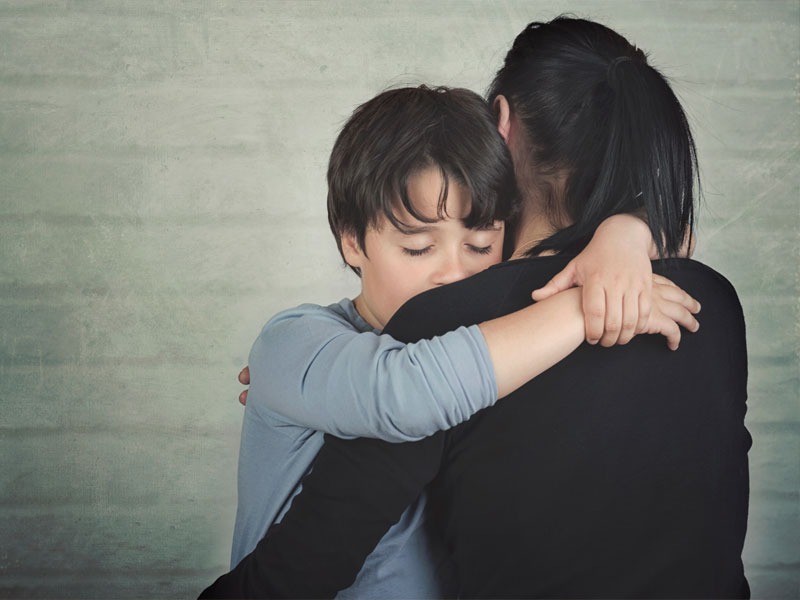
For neurodivergent children, attachment may look different from typical patterns. They might seek less physical comfort, rely more on routines for security, or form very strong connections with specific caregivers. These differences in behaviour do not mean a lack of attachment; they still reflect a genuine need for trust, safety, and emotional connection. Understanding these variations helps caregivers respond with empathy and support each child’s unique way of connecting.
A child doesn’t need a “perfect” early history to develop secure attachment – therapy can make a meaningful difference. At KidsAid, we use creative therapeutic approaches to provide a safe, predictable space where children learn to trust and feel understood.
Through play, art, stories, and guided conversations, children can explore emotions, develop coping skills, and learn emotional regulation, which are crucial tools for forming secure attachments. Therapy also supports parents and caregivers, helping them:
For children who have experienced trauma, loss, or early disruptions, therapy offers a consistent, safe relationship where they can process experiences at their own pace. Over time, children internalise warmth, acceptance, and emotional presence, strengthening trust, building healthier relationships, and nurturing resilience.
Understanding how your child connects with you can help build secure relationships that support confidence, emotional regulation, and healthy future connections. Even small actions can make a big difference:
Remember: attachment isn’t about being perfect—it’s about being present.
By understanding attachment styles, caregivers can interpret behaviour not as “difficult” or “wrong,” but as communication. Children are expressing how safe and supported they feel—and knowing their attachment style guides empathetic and effective responses.
At KidsAid, we’re here to support children and families, helping every child feel safe, seen, and supported. To learn more about our services, visit Child Therapies from KidsAid.